Quick answer: a child under six does not need AI to learn, and no current AI tool does anything that a talking, listening adult does not do better. Used sparingly and always with a grown-up in the room, it can be a fun tool for a parent. Used as a substitute for conversation, it takes away the one thing that matters most.
Every few years a new technology arrives with a promise attached: this one will finally give your child an advantage. Television was going to do it. Then tablets. Then coding classes for four-year-olds. Now it is AI, and the marketing is landing squarely on parents of preschoolers. Chatbot plush toys. AI reading tutors. Apps that generate a personalised bedtime story starring your child.
Parents ask us about this almost weekly now, so here is our honest position after 37 years of teaching young children.
What a child under six is actually building
Between 18 months and six, a child is doing the heaviest developmental work of their life. They are building:
- Language, through thousands of hours of back-and-forth talk with a real person who responds to them.
- Self-regulation, by practising waiting, sharing, losing a game and recovering from it.
- Social reading, learning to interpret a face, a tone, a shift in someone's mood.
- A body that works, through climbing, running, throwing, balancing and getting things slightly wrong.
- The belief that they are capable, built by being allowed to try, fail and try again.
Notice how little of that list is information. A preschooler is not short of facts. They are short of practice, and practice happens with people.
What AI genuinely cannot do for a small child
An AI can answer a question. It cannot notice that your child asked the question in a wobbly voice. It cannot pause, kneel down, and say "you look a bit worried about that." It cannot smell of the same shampoo every night, or remember that yesterday your child was scared of the big dog and check in about it today.
Young children learn language and emotional skills through what researchers call serve and return: the child does something, an attuned adult responds, the child adjusts. That loop builds the brain. A machine can produce a response, but it cannot produce attunement, and children can tell the difference far earlier than we assume.
There is also the simple matter of what the screen replaces. An hour with an AI story app is an hour not spent building a den, not spent at the dinner table, not spent being bored enough to invent something. Preschool years are short. The opportunity cost is real.
Where AI is genuinely useful, for the parent
We are not against the technology. We are against pointing it at a four-year-old and walking away. Used by an adult, it can save time and spark ideas:
- Turning a wet Saturday into a plan, such as five indoor games using only things in a kitchen drawer.
- Helping a parent who does not speak Mandarin at home find the right phrase to use at bath time.
- Rewriting a long story into a version short enough for a tired three-year-old.
- Drafting the questions you want to ask at your next parent-teacher meeting.
In every one of those cases the AI helps the grown-up, and the grown-up does the thing with the child. That is the right shape.
Five household rules that keep it sensible
- No solo sessions. If your child is using it, you are sitting there. The moment it becomes a way to buy twenty quiet minutes, it has changed jobs.
- It answers, you discuss. Ask your child what they think before you ask the machine, and ask what they think of the answer afterwards. The thinking is the point.
- Keep it out of the bedroom. Especially the talking toys. Sleep is more valuable than any content.
- Say what it is. Children under six often assume anything that talks is alive. A simple, honest line works: "It is a computer program. It is very good at words, and it is sometimes wrong."
- Check the total. Whatever your screen limit is, AI counts inside it, not on top of it.
What we do at Shaws
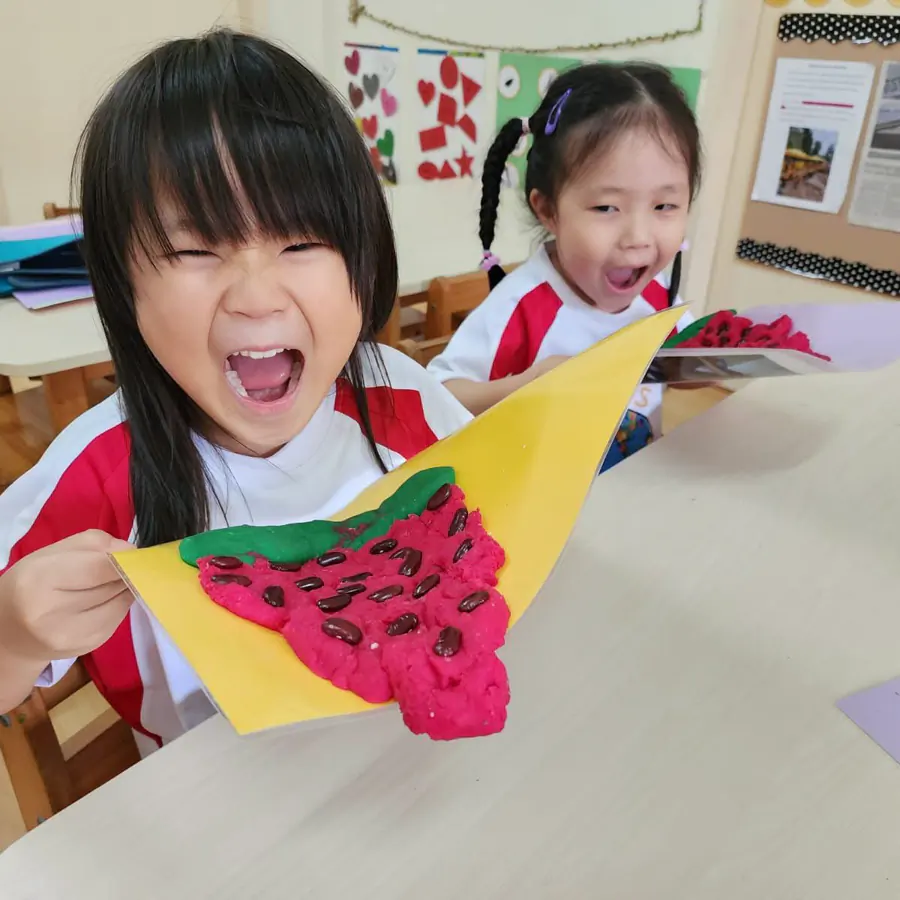
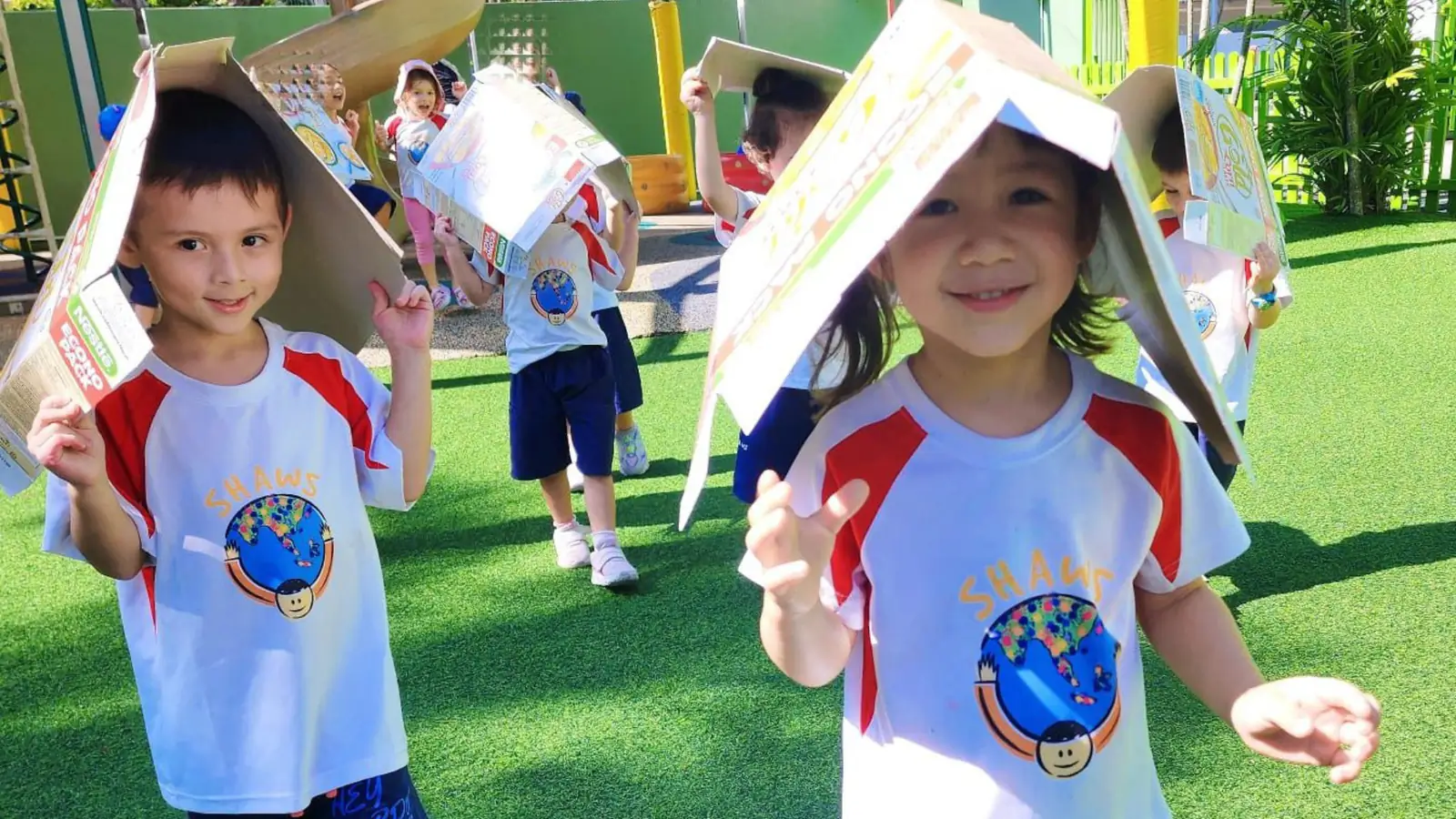
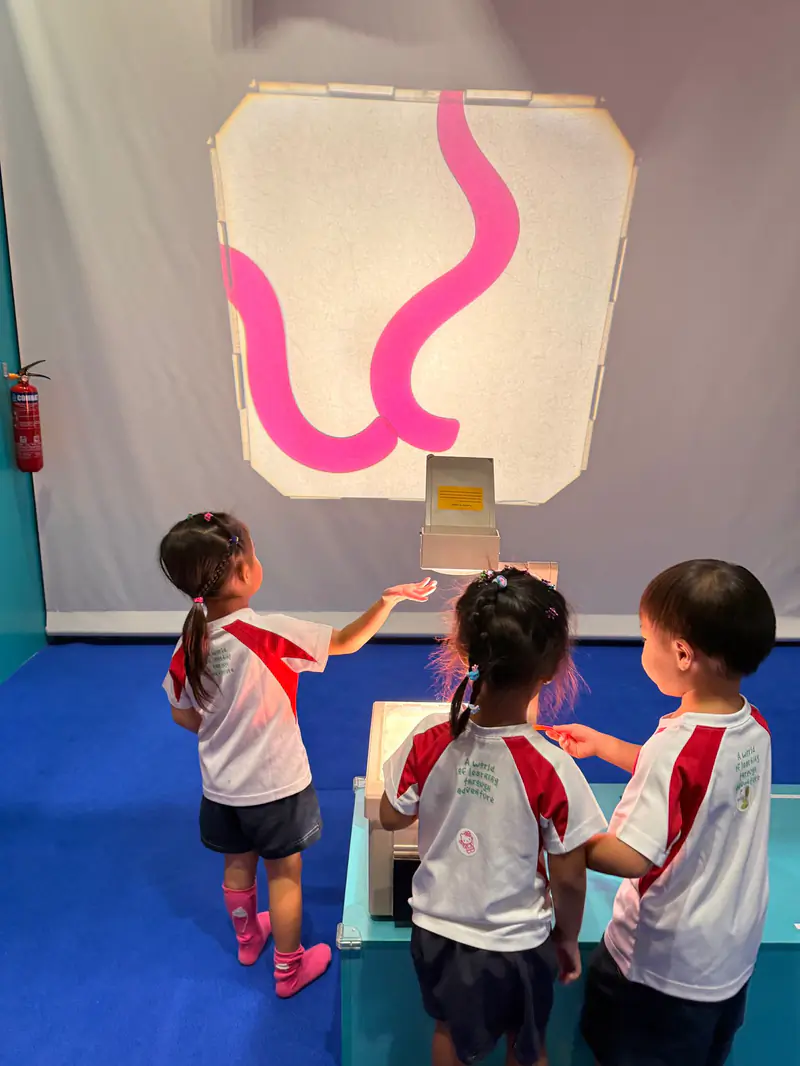
There are no screens in our classrooms, and there is no AI in our teaching. A Shaws morning is talking, singing, building, painting, digging, climbing and daily sport, in English and Mandarin, with teachers who know each child by name and by mood. When a child asks why the leaf changed colour, a teacher goes outside with them to look. That is slower than an instant answer, and it is worth far more.
We are not being nostalgic. We are being specific about what this age group needs. There will be plenty of time for your child to become fluent with these tools. They are not difficult to learn, and the versions that exist now will be gone by the time your child is twelve. What will not be replaceable is the vocabulary, the confidence and the ability to concentrate that get built before six.
The bottom line
If you never let your preschooler touch an AI tool, they will lose nothing. If you use it yourself to make family life a bit easier, you have lost nothing either. The only version that costs your child something is the one where it takes the place of you.
Shaws Preschool has run screen-free, play-based classrooms across the East Coast and Serangoon since 1989, with daily sport, outdoor learning, English and Mandarin. To see an ordinary morning in progress, book a tour of any campus.