Quick answer: writing depends on strong shoulders, stable wrists and nimble fingers, and those develop through play long before a pencil is useful. Playdough, pegs, tearing paper, threading beads, climbing and everyday jobs like buttons and pouring all build the right muscles. Pushing formal writing too early often leads to awkward grips, tired hands and a child who decides they do not like writing.
A lot of parents worry about pencils. Is my child holding it correctly? Should they be writing their name yet? Should we buy the tracing book?
These are understandable questions, particularly in Singapore, where Primary 1 feels close from a very early age. But the skills that make writing comfortable are mostly built without a pencil anywhere in sight.
Writing starts at the shoulder
It sounds odd, but good handwriting depends on the body working from the centre outwards.
- The shoulder and trunk need to be stable, so the arm has a steady base.
- The wrist needs to hold still while the fingers move.
- The fingers need strength, control and the ability to work separately.
- The two hands need to cooperate, one steadying the paper while the other writes.
A child who cannot yet sit steadily or support their own arm will grip a pencil tightly to compensate. That is why climbing, crawling and hanging from monkey bars matter to handwriting more than most people realise.
How grip develops
Children move through a rough sequence, at their own pace:
- The fist grip. Toddlers hold crayons in a clenched fist and move the whole arm.
- Fingers pointing down. The hand is over the crayon, and the wrist and forearm do most of the work.
- A growing finger grip. The thumb and fingers start to take over.
- The tripod grip. Thumb, index and middle finger control the pencil, with small finger movements doing the writing. Many children get there somewhere between about four and six.
Hand preference often settles during the preschool years too. Let it emerge on its own rather than choosing a hand for them.
Why early pencil drilling backfires
Grip habits form early. A child writing a lot before their hand is ready often invents an awkward grip that works for now. Those habits are surprisingly hard to change later.
Small hands tire quickly. Tracing worksheet after worksheet with underdeveloped muscles is uncomfortable. Children show this by pressing too hard, wriggling or giving up.
Attitude matters. A child who finds writing frustrating at four may carry that feeling into Primary 1. A child who arrives with strong hands and a positive attitude usually catches up quickly and happily.
Play that builds writing hands
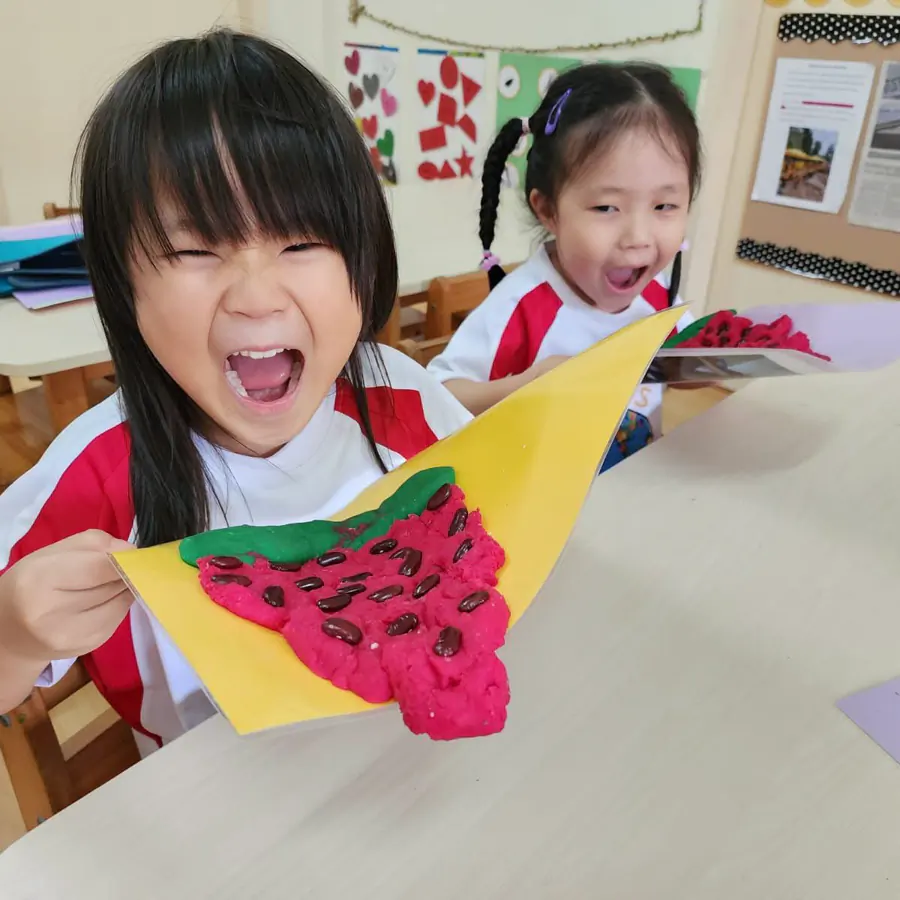
Playdough and clay. Squeezing, rolling, pinching and poking are strength training for fingers.
Pegs. Clipping pegs to the side of a box or hanging socks on a line builds the pinch used in writing.
Tearing paper. Tearing strips of old magazine uses both hands together, one steadying and one pulling.
Tongs and tweezers. Moving pom-poms, beads or pieces of pasta from one bowl to another.
Threading. Large beads on a shoelace for younger children, smaller beads for older ones. Supervise with anything small enough to swallow.
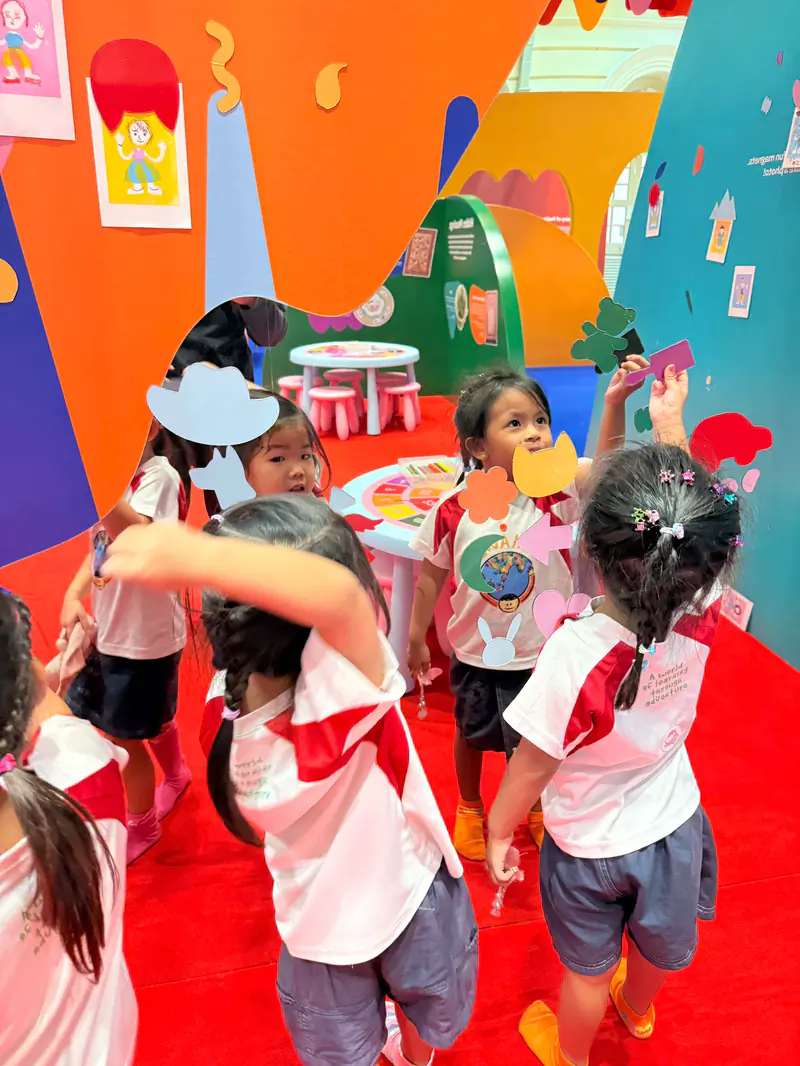
Stickers. Peeling them off the sheet takes more precision than it looks.
Droppers and spray bottles. Coloured water in a dropper or spraying plants on the balcony builds hand strength.
Painting on a wall or easel. Working on a vertical surface strengthens the shoulder and sets the wrist in a good position for writing.
Building. Bricks that click together, and pulling them apart again.
Scissors. Child-safe scissors and scrap paper. Start with snipping, and progress to cutting along a line.
Climbing, crawling and wheelbarrow walks. For the shoulders and core that everything else depends on.
Everyday jobs count too
Buttons and zips, opening lunchbox lids, peeling a mandarin orange, pouring water from a small jug, spreading butter on toast and wringing out a flannel in the bath. Letting your child do these things themselves, slowly, is a daily fine motor workout.
A small tip: break crayons into short pieces. Short crayons are hard to hold in a fist, so they naturally encourage a finger grip.
What this looks like at Shaws
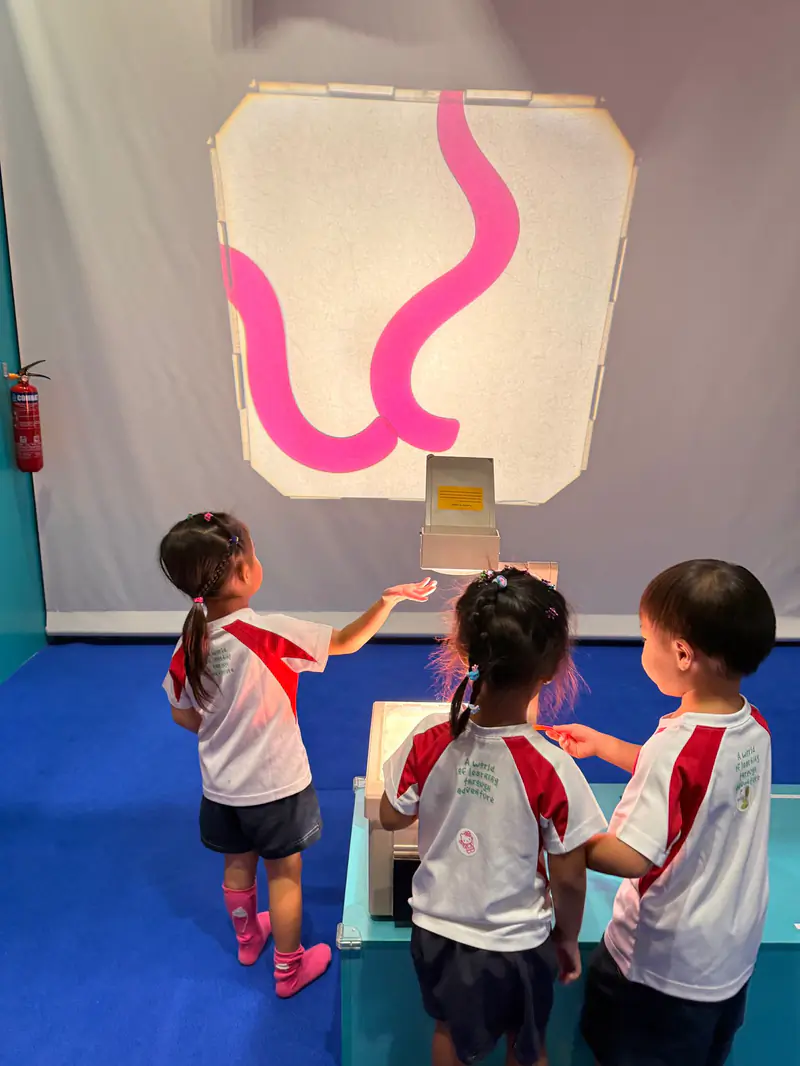
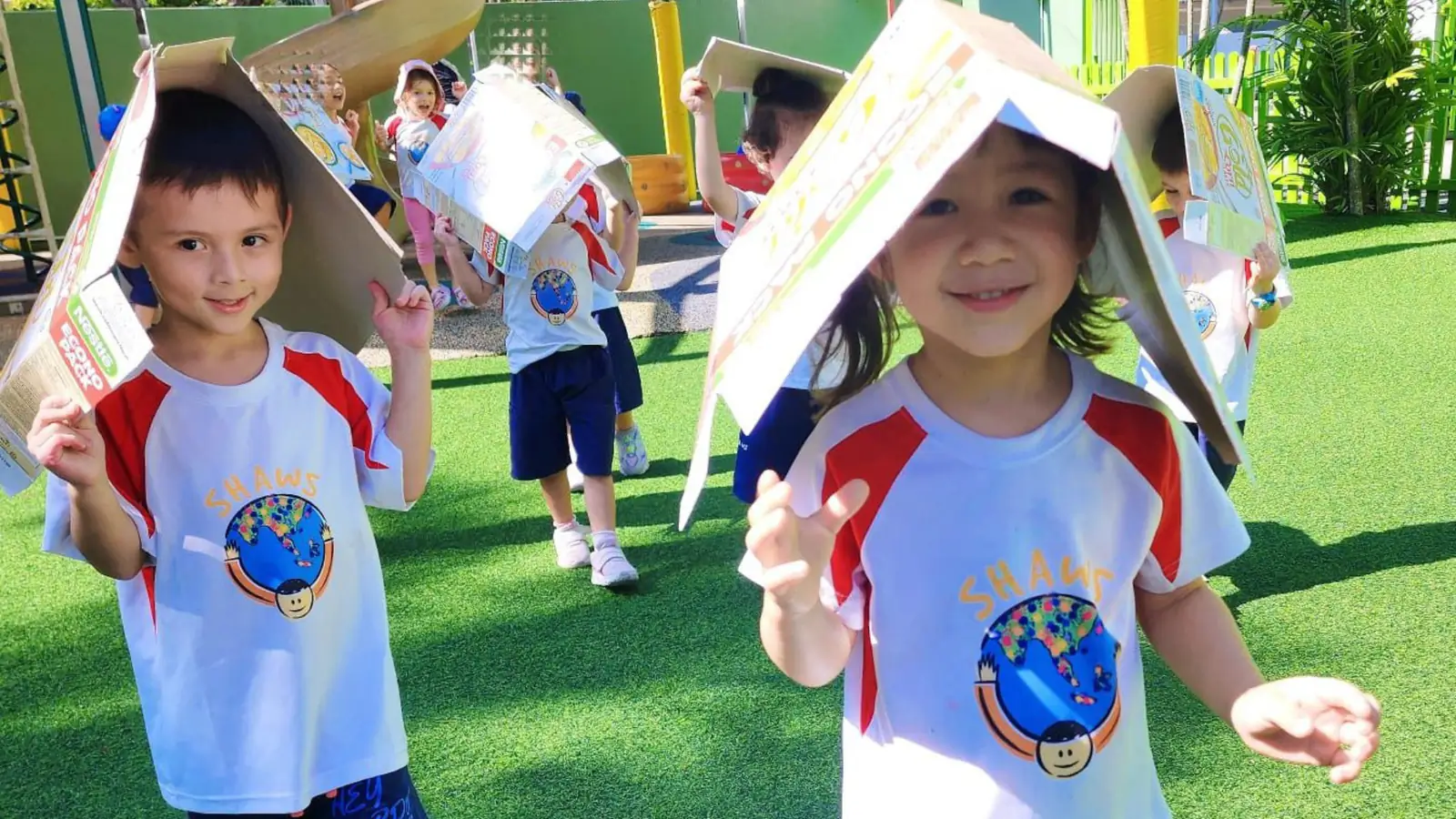
Our rooms are full of the materials that build hands: dough, blocks, collage, paint, sand and water, threading and cutting. Children climb and play outdoors every day, and sports coaching builds the shoulder and core strength that handwriting rests on.
Mark making happens naturally through drawing, painting and play, and teachers notice when a child is ready for more. We would rather a child arrive at Primary 1 with strong, capable hands and a love of drawing than with a folder of worksheets and a sore grip.
When to seek advice
Talk to your doctor if your child strongly avoids hand activities, seems to have very weak grip compared with others their age, gets unusually frustrated with drawing and building, does not use both hands together, or has difficulties with coordination more generally. An occupational therapist can assess fine motor development, and early support is gentle and effective.
Shaws Preschool has built writing hands through dough, paint, blocks and climbing across the East Coast and Serangoon since 1989. Come and see what our children make: book a tour.