Quick answer: most preschoolers in Singapore do not need enrichment classes. Between 18 months and six, the skills that predict how a child does at school, such as language, self-control, curiosity and the confidence to have a go, are built through play, conversation and movement, not worksheets. A good preschool day already covers them.
Four in ten preschoolers in Singapore now attend some form of tuition or enrichment. That is not because four in ten children need it. It is because the question "should we be doing more?" is hard to say no to when the family next door has said yes. This year's National Day Rally put families firmly back in the spotlight, and with it the old worry: are we giving our children enough of a head start?
Here is what we have learned in 37 years of running preschools, and what the research says.
What "hot-housing" actually means
Hot-housing is the practice of pushing academic content such as reading, writing, arithmetic or a second language onto children well before they are developmentally ready, usually through structured classes and drilling. The name comes from greenhouses: force the growth early and you get a plant that looks impressive but has shallow roots.
In Singapore it tends to look like phonics classes for two-year-olds, abacus or "right-brain training" for threes, and a weekly timetable for a four-year-old that would tire an adult.
What the research says about early academic pressure
- Early gains fade. Children drilled on reading and maths before five often lead their peers at six, and are level with them by eight or nine. The head start is real but temporary; the cost of getting it is not.
- The predictors of later success are not academic. Longitudinal studies consistently find that self-regulation (the ability to wait, focus and manage frustration), vocabulary built through conversation, and a positive attitude to learning predict school outcomes better than early letter or number knowledge.
- Pressure has a price. Singapore's own child psychologists report that academic pressure is the most common source of distress they see in young clients. That pressure does not begin in Primary 1. It begins with the timetable at four.
None of this means academics do not matter. It means the route to them matters, and for a preschooler the route is play.
Why play is not the opposite of learning
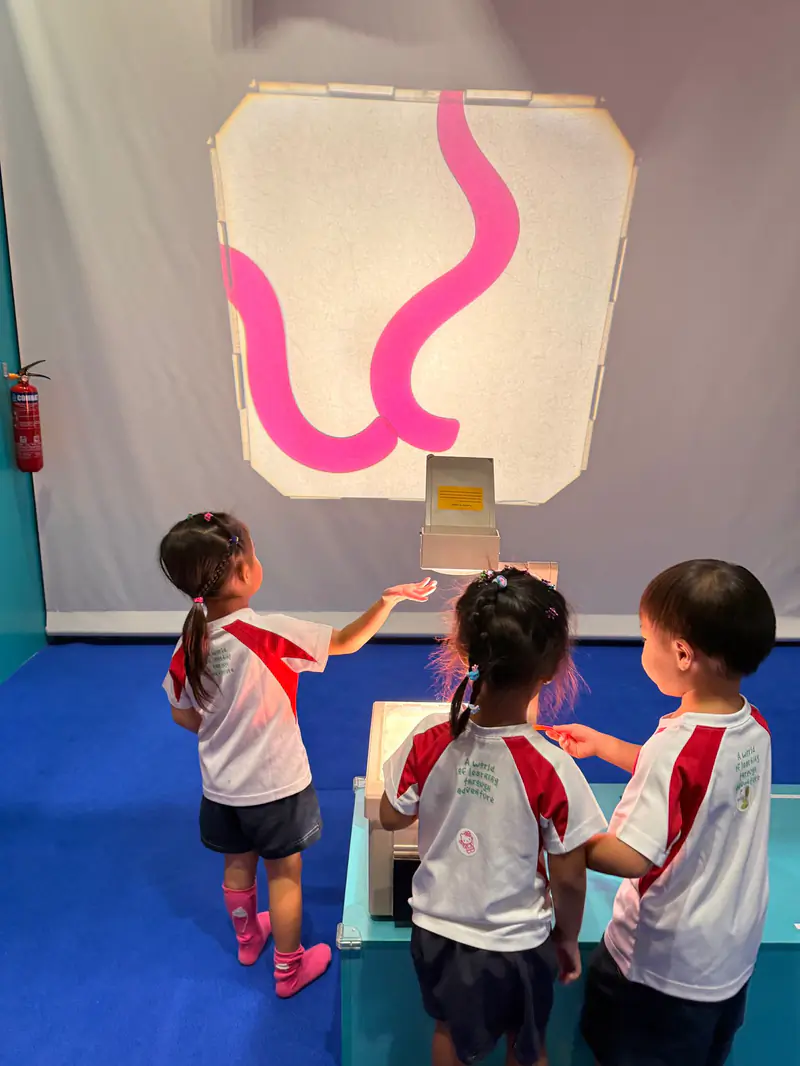
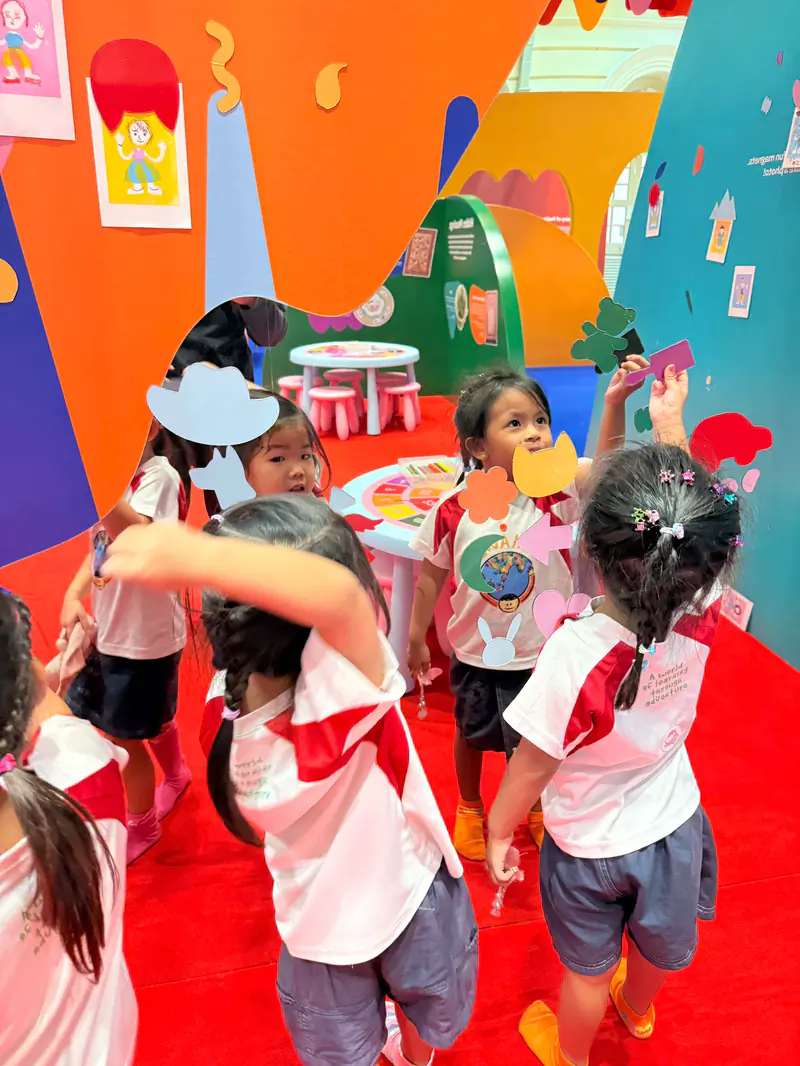
Watch a group of four-year-olds run a pretend café. They are negotiating roles (social skills), taking orders and giving change (early numeracy), writing a menu (emergent literacy), keeping the game going when someone changes the rules (executive function) and using a vocabulary they would never meet on a worksheet. Nobody set that lesson. The play was the lesson.
This is what we mean by play-based learning at Shaws. It is not free-for-all. Teachers plan the environment, watch for the moment a child is ready for the next step, and step in with a question or a resource at exactly that moment. The child experiences it as play. We experience it as a curriculum.
Five questions to ask before you sign up for a class
- Is my child asking for it? A four-year-old who begs to do "more numbers" is telling you something. A four-year-old who is being taken to numbers is being told something.
- What is it replacing? Every hour in a class is an hour not spent outdoors, at the dinner table, or being bored enough to invent a game.
- Is it play, or is it drilling dressed as play? Coloured worksheets are still worksheets. If the child sits for most of the session and the adult does most of the talking, it is a lesson, whatever the brochure says.
- Would a good preschool day already cover this? A strong programme includes daily physical activity, both languages in real conversation, music, messy and sensory play, and outdoor time. If yours does, the class is duplicating, not adding.
- How does my child seem afterwards? Tired-and-happy is good. Tired-and-flat, tearful, or reluctant the next week is the only feedback that matters.
What actually builds a strong start
If you want to do something, do these. They cost nothing and outperform most classes:
- Talk, a lot. The number of words a child hears in genuine back-and-forth conversation before five is one of the strongest predictors of later reading. Narrate the supermarket. Ask what they think will happen next in the story.
- Read aloud daily, in both languages. Not to teach reading. To make books a place your child wants to be.
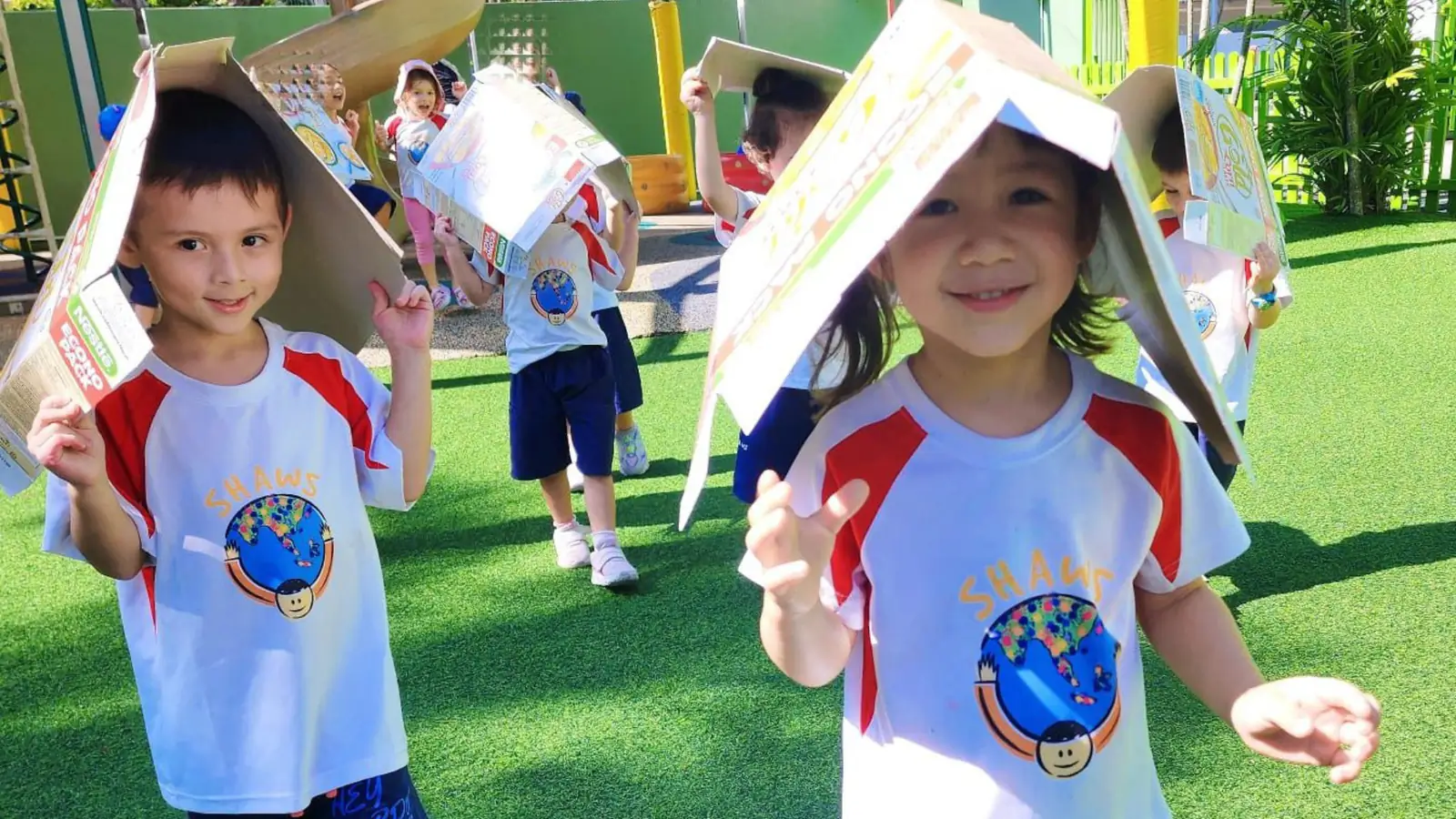
- Move every day. Running, climbing, throwing and balancing build the body, but they also build the attention and self-control that classrooms will demand later.
When enrichment does make sense
There are genuine cases. A child with a specific developmental need identified by a professional. A child who is passionate about music or a sport and wants more of it. A family where a heritage language is not spoken at home and needs real exposure. The test is always the same: it is for the child, chosen because of who they are, not because of what a neighbour is doing.
The honest answer for most families
Choose a preschool that takes play seriously, then trust it. Spend the class money on a trip to the beach. Spend the class hours at the dinner table. The child who arrives at Primary 1 curious, confident and able to sit still because they have spent five years running around will overtake the one who arrives with a head full of flashcards, and will still be enjoying school when it matters.
Shaws Preschool has taught play-based learning across the East Coast and Serangoon since 1989, with daily sport, outdoor learning, English and Mandarin, and no screens. If you would like to see what a morning here looks like, book a tour of any campus.