Singapore's year-end school holidays begin in mid-November, and many families find themselves with long weeks to fill. Malls and indoor playgrounds have their place, especially in a downpour. Some of the best days with a preschooler happen outside for free, crouched over a line of ants or listening for birds in the trees.
Nature play simply means letting young children explore the living world at their own pace. It needs no special equipment and no expertise from you. All it asks is a bit of time outdoors and a willingness to slow down to a three-year-old's speed.
Why it is worth the effort
Time in nature gives children a kind of play they rarely get indoors. The ground is uneven, so they have to watch their feet. Leaves and stones become toys without anyone buying them. Small creatures appear and disappear, which keeps children looking closely and asking questions.
Nature play also suits the way young children learn. They pick things up and turn them over, and they ask "why" about almost everything they find. A walk where nobody hurries them gives all of that room to happen.
Start close to home
You do not need to plan a big outing. Most Singapore neighbourhoods have more nature in them than we notice.
- The park connector. Walk a short stretch slowly and count the different birds you hear.
- Your estate's garden. Look for snails after rain, and watch ants carrying food back to their nest.
- Trees on your street. Collect fallen leaves of different shapes. Find the biggest and the smallest.
- After a storm. Puddles and running water are endlessly interesting. Float a leaf boat down a drain channel, and watch from a safe spot.
- Your own window or balcony. A small pot with a few seeds gives a daily reason to check on something growing.
Bigger outings worth trying
When you want a proper adventure, Singapore has some excellent nature spots for young children. Opening hours and access can change, so check the NParks website before you set out.
Jacob Ballas Children's Garden. Part of the Singapore Botanic Gardens, this garden is designed especially for children aged 14 and below, and admission is free. NParks lists it as open from 8am to 7pm, and closed on Mondays unless a Monday is a public holiday. Adults need to be accompanied by a child to enter, which is a rule small children find very pleasing.
Pasir Ris Park mangrove boardwalk. The boardwalk takes you through one of the last few mangrove forests in Singapore, according to NParks. Look down among the tangled roots for mudskippers and crabs, and look up for herons. NParks also runs guided mangrove walks here from time to time, so it is worth checking their events page.
Sungei Buloh Wetland Reserve. NParks lists the reserve as open from 7am, and an early start beats the heat. Monitor lizards are a common sight, and families sometimes spot otters. Crocodiles live in the reserve too, so keep to the paths and boardwalks and hold small hands near the water. Check the NParks page for any boardwalk closures before you go.
The beach. East Coast Park and other beaches are made for digging and collecting shells, and for building sandcastles that the tide washes away. A bucket and spade is all the equipment you need.
A checklist for the day
- Go early. Mornings are cooler and the animals are often more active. Aim to be heading home before the midday heat.
- Water for everyone. More than you think you need.
- Sun protection. Hats and sunscreen, plus light clothes that cover arms and legs.
- Insect repellent. Use one that is suitable for young children, and apply it as the label directs.
- Shoes that can get muddy. Closed shoes or sandals with a strap, not slippers.
- A small bag for treasures. Fallen leaves and seed pods. Leave living things where they are.
- Snacks and wipes. Hungry explorers turn back early.
- A plan for rain. A nearby shelter, or the willingness to get wet in a warm shower if there is no lightning.
What to do when you get there
Children do not need an itinerary. Most of the fun comes from following their interest, but a few simple ideas help get them started.
- Treasure hunt. Before you go, make a list of things to find. Something smooth, something rough, a red flower, a feather, a leaf bigger than your hand.
- Listening minute. Stop and close your eyes. Count how many different sounds you can hear.
- Bug watch. Crouch down and watch one small creature for as long as your child is interested. Talk about where it might be going.
- Collect and sort. Gather fallen leaves and seeds, then sort them by size or colour on a picnic mat.
- Bark rubbing. Hold paper against a tree trunk and rub over it with the side of a crayon.
- Nature journal. Back home, help your child draw one thing they saw. Write down what they tell you about it.
Teaching respect for nature
Young children learn how to treat living things by watching us. A few simple rules go a long way. Look at animals without picking them up. Leave flowers growing for the next person. Take your rubbish home. Stay on the paths in nature reserves. Explain the reasons in plain language, such as "The crab lives here. This is its home."
It also helps to model calm around creatures that might frighten a child. Monitor lizards and bees are best admired from a distance. A parent who stays relaxed while explaining that is teaching caution and curiosity at the same time.
Nature play at Shaws
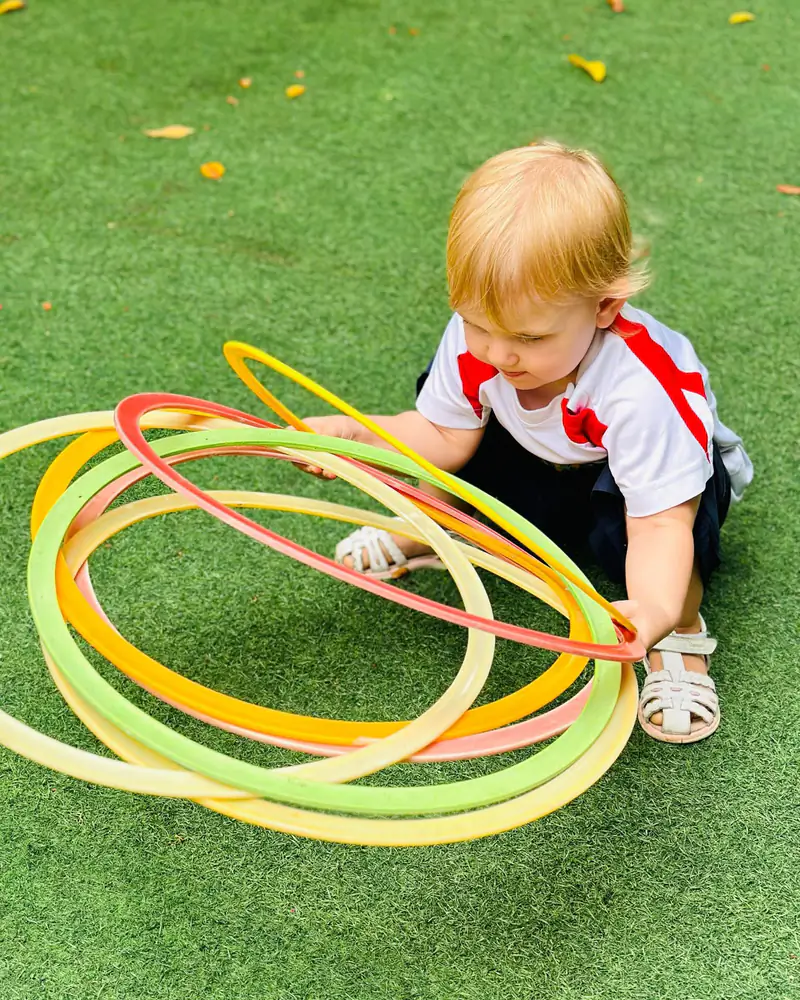
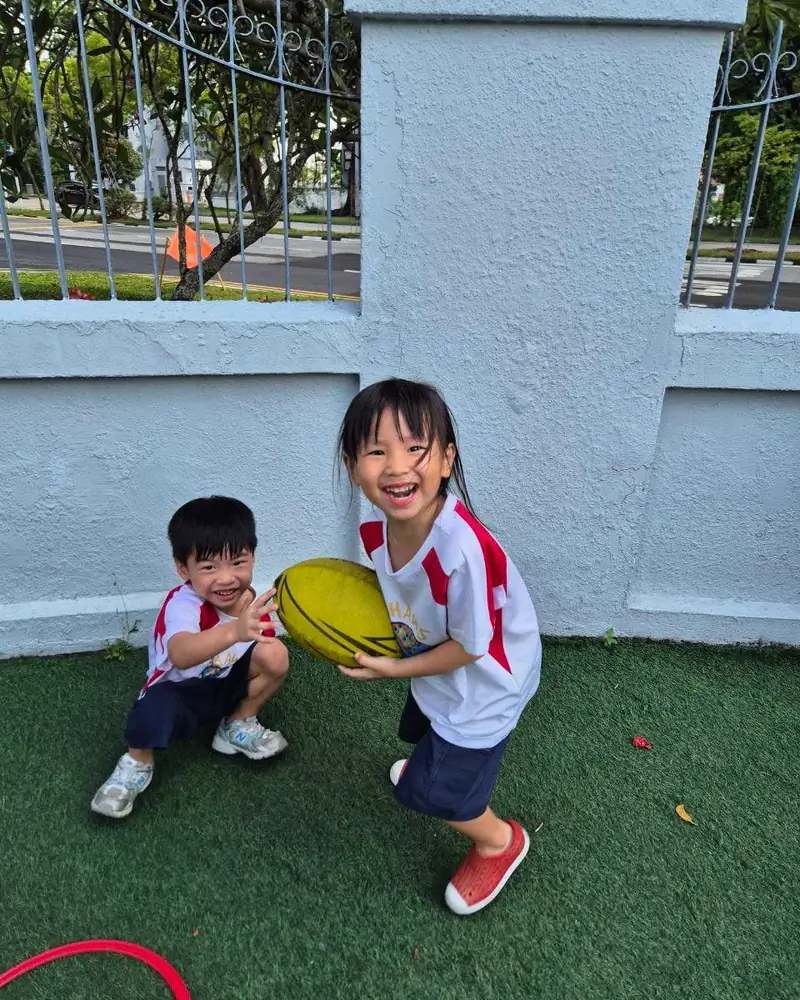
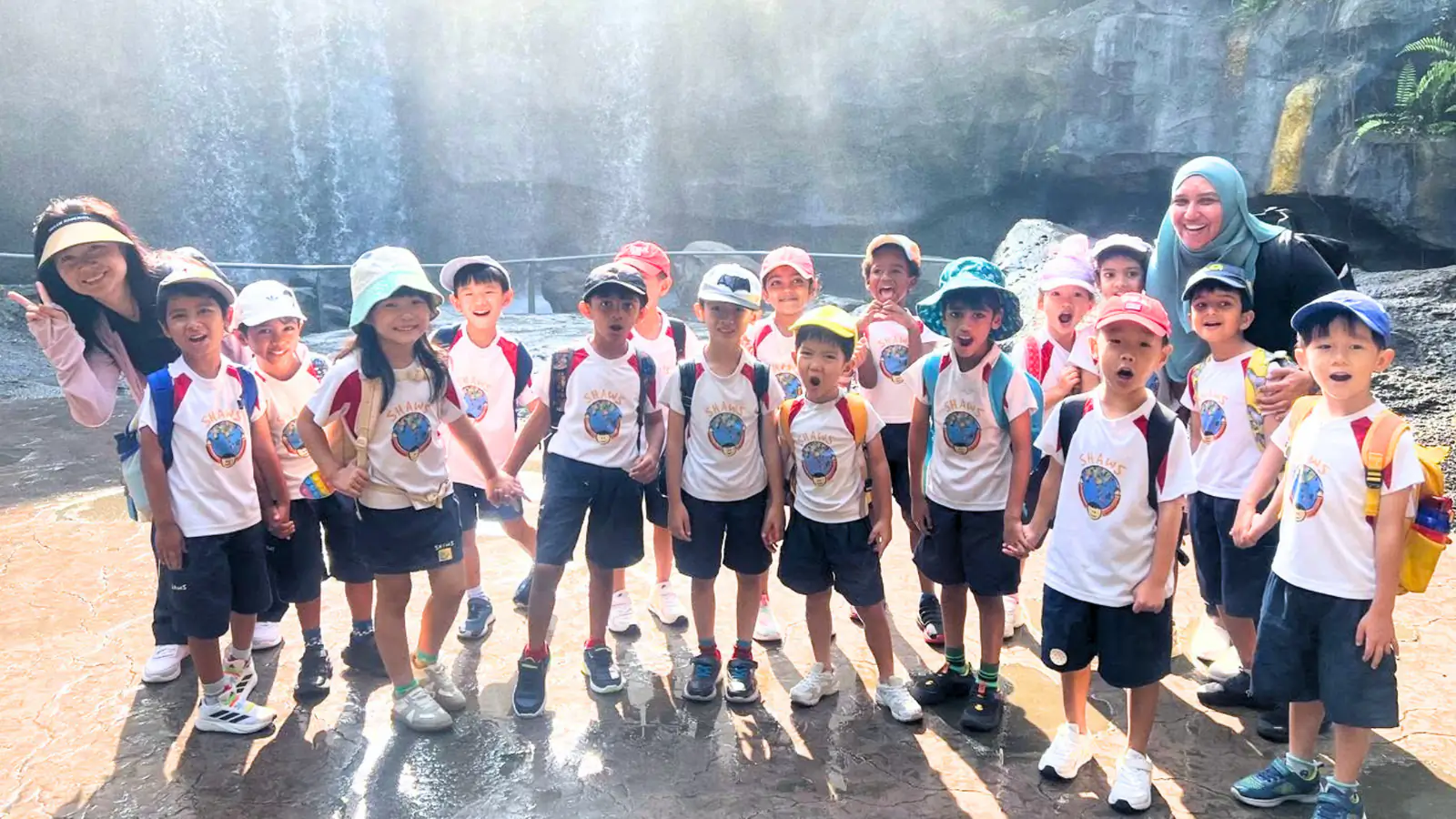
Outdoor learning is part of every day at Shaws. Our campuses have gardens and sandpits, and the curriculum includes herb gardens and butterfly gardens where children learn without a table in sight. Outdoor play starts the day as soon as the doors open. Excursions to waterfalls and beaches are part of the year. Farms and museums feature too, with two to three trips each term. In our Earth Ambassadors sessions during ShawsPlay Club, conservation is taught through the term's inquiry unit and then practised around the campus.
If you would like to see how much of a Shaws day happens outdoors, book a tour. Weekday visits run in the morning and the afternoon at all five campuses.