It is Christmas morning, and the living room floor has disappeared under wrapping paper. Your three-year-old has opened eleven presents in about six minutes and is now standing in the middle of the mess asking whether there are any more. Later, when Grandma hands over the jigsaw she chose so carefully, your child says, "I don't want that one."
Most parents have lived some version of this, and it can sting. It helps to know that this behaviour is normal for the age, and that gratitude is something children grow into over several years. The festive season, with all its excess, is a good time to give that growth a gentle push.
How gratitude develops in young children
Gratitude asks quite a lot of a small child. To feel thankful for a present, a child has to understand that another person thought about them and went to some trouble to choose something. That means holding someone else's point of view in mind, which is still a work in progress throughout the preschool years.
Two-year-olds mostly learn the outward habits first. They copy "thank you" because they hear it, and that is a perfectly good place to start. Around three and four, many children begin to notice when someone has done something kind for them, especially when an adult points it out. By five and six, a lot of children can talk about why a gift was chosen for them and how the giver might feel when they see it being used.
So a toddler who ignores a present is still developing. Expecting heartfelt thanks from a two-year-old is a bit like expecting them to tie their shoelaces. The skill comes later. Practice helps, and so do good examples.
Why a mountain of presents works against it
Big piles of gifts tend to turn the unwrapping into the main event. Children get caught up in tearing paper and reaching for the next box, and the presents themselves become a blur. Many children also tip into overload. Late nights and a crowd of excited relatives make it hard for any young child to slow down and appreciate anything.
Fewer presents, opened slowly, give a child time to play with each one and to connect it with the person who gave it. That connection is where gratitude starts.
Before the day
Talk to the family early. In Singapore, Christmas often means presents from grandparents on both sides as well as aunties and uncles. A friendly message in early December can help. Some families suggest one gift per relative. Others share a short wish list, or ask for experiences such as a zoo visit with Grandpa or a swimming afternoon with an aunt.
Try a simple gift rule at home. Some parents like the "want, need, wear, read" rule, which means one present from each category. You do not have to follow it strictly. The point is to choose fewer things, and to choose them with care.
Plan to open presents slowly. Spread the opening across the day, or keep a few back for Boxing Day and the holidays that follow. Let your child play with one gift before moving on to the next. If a relative is there, pause so your child can show them the present being used.
Giving as well as receiving
Young children often learn more about gratitude from giving than from receiving. When a child has chosen or made something for someone else, they start to understand the effort that goes into a present.
Let your child help with the family's gifts. A four-year-old can choose between two options for Grandpa and stick the tape on the wrapping. A five-year-old can make something simple, such as a painted pot or a batch of cookies baked together.
Think beyond the family too. Many children enjoy making a small card for their teacher or the family's helper. Some like to make one for the security guard downstairs too. Handing it over in person, and seeing the person smile, teaches more than any talk about being thankful.
Not every family celebrates Christmas, and Singapore children grow up surrounded by many festivals. The same ideas work just as well for Hari Raya and Deepavali, and for the red packets of Chinese New Year. In each case, a child who learns to notice the giver and the effort gets far more out of the occasion.
When your child says the wrong thing
Sooner or later, your child will open a present and announce loudly that they already have one, or that they do not like it. That moment is embarrassing for any parent. It is also honest, and very normal for a young child.
Practise beforehand. Play a gift game with teddies a few days before. Teddy opens a present he does not like, and you show what he could say. "Thank you for thinking of me." Children find these scripts much easier to use when they have rehearsed them in play.
Smooth it over on the spot. A light comment from you usually rescues the moment. "She's still deciding what she thinks. We'll try it out later." Then move on. A lecture in front of the relatives tends to embarrass everyone, your child included.
Talk about it later, in private. Once things are calm, acknowledge the feeling. Then explain the other side. "You were disappointed it wasn't the dinosaur. Aunty Mei chose that puzzle because she knows you like animals. How do you think she felt when you said you didn't want it?" Keep it short and kind.
Thank-yous that mean something
A thank-you works best when your child has some real part in it. Writing a full letter is beyond most preschoolers, but there are plenty of ways they can say thanks themselves:
- Draw a picture of themselves using the present.
- Dictate a short message for you to write, then add their own name or a few letters.
- Send a voice message or a short video to relatives overseas.
- Ring Grandma and tell her one thing they did with the gift.
- Send a photo of the new book being read at bedtime.
Encourage your child to say what they liked or how they used it. "Thank you for the scooter. I rode it to the playground" means more to the giver than a generic thank you, and it helps your child think about the present and the person together.
Gratitude beyond December
The festive season is a good starting point, but gratitude is built by small, everyday habits across the year.
Let your child see you thank people. Thank the hawker uncle, the bus captain, the cleaner at the playground and your partner at home. Children copy what adults do far more than what adults say.
Notice kindness out loud. "Did you see that boy let you go first on the slide? That was kind." Pointing these moments out helps children notice them for themselves.
Try a dinner-table question. Ask everyone to share one good thing from the day, and who helped make it happen. Young children often answer "Lunch" or "The swing", which is fine. Over time, people start to appear in the answers.
Avoid guilt-based gratitude. Telling a child they should be grateful because other children have nothing tends to make them feel bad, and it rarely leads to real thankfulness. Gratitude grows more readily from warmth and noticing than from guilt.
How we encourage it at Shaws
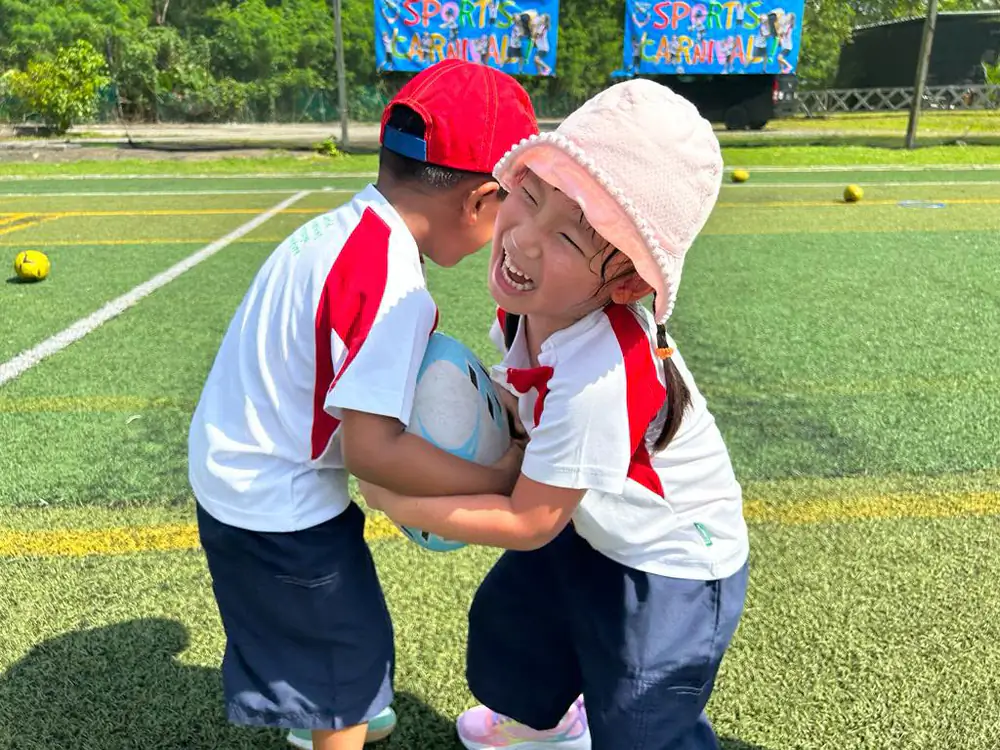
Community is one of our core values, and our classrooms bring together children and families from many cultures. Class jobs rotate so that everyone takes a turn at being responsible, and every activity ends with the children tidying it away together. That gives teachers plenty of chances to notice kindness and name it. The Shaws Carnival includes our charity fundraiser, so children see that giving to others is part of the year too.
If you are thinking about preschool for 2027, we would love to show you an ordinary Shaws morning. Book a tour at whichever of our five campuses suits you, or send us an enquiry and we will get back to you.