
Quick answer: for young children, treat a Moderate PSI (51 to 100) as a cue to cut long, energetic play outside, and once it reaches Unhealthy (101 and above), keep outdoor time short and gentle or move it indoors. For decisions about the next few hours, check the 1-hour PM2.5 reading rather than the headline PSI. A mask is not the main tool for small children. Cleaner air is.
The first hazy morning of the year tends to arrive quietly. The block across the road looks slightly out of focus, there is a faint smell of burning, and a group chat somewhere begins asking whether it is safe to go downstairs.
This year it arrived with some emphasis. On 4 September 2026 the 12-hour PSI entered the Unhealthy range for the first time since October 2023, and haze season here usually runs from roughly August to October.
So it is worth knowing what the numbers mean before the next grey morning, rather than working it out with a four-year-old pulling at your sleeve.
Why young children feel it more
Small children breathe faster than adults and take in more air for their body size. Their lungs are still developing, and they spend much of the day running about and breathing hard.
They are also poor at noticing or reporting that something feels wrong. A child with a scratchy throat is more likely to become grumpy than to mention it.
The PSI bands, in plain terms
NEA reports air quality in bands. Here is what each one means for a preschooler's day, based on common advice for young children:
- Good (0 to 50). Normal life. Play outside as usual.
- Moderate (51 to 100). Outdoor play is fine, but many advise treating this as the point to cut prolonged exertion. A walk to the playground is fine. An hour of chasing games is worth shortening.
- Unhealthy (101 to 200). Avoid prolonged or strenuous outdoor activity. Keep trips outside short and calm, and bring the active play indoors.
- Very Unhealthy (201 to 300). Stay indoors as much as is practical, with windows closed.
- Hazardous (above 300). Stay indoors and follow official guidance closely.
Which number to look at
The headline PSI is an average over several hours. It is useful for the general picture, but it lags behind what the air is doing right now, and haze can shift noticeably within a morning.
For the decision in front of you, such as whether to go to the playground at ten o'clock, check the 1-hour PM2.5 reading on NEA's haze website or the myENV app. PM2.5 refers to the very fine particles that travel deepest into the lungs, and the hourly figure reflects near-term conditions. If it is climbing, go later or not at all. If it has dropped, take the window.
About masks
This is where many parents feel they ought to be doing something, and a mask looks like the answer.
N95 masks are designed for adults and are very hard to fit properly on a small face. A mask that does not seal gives far less protection than it appears to, and a tight one makes breathing harder work, which is the opposite of what a small child needs. Babies and toddlers should not wear them at all.
For young children, the reliable protection is reducing exposure: less time outside, gentler activity and cleaner air indoors. If you are considering a mask for an older child on a short trip, ask your doctor or pharmacist about fit, and never treat one as permission for a long outing on a bad day.
Making indoor air better
- Close windows and doors when readings are high, and open them again once the air improves.
- Use the air conditioning, ideally with filters cleaned before the season starts.
- Consider an air purifier with a HEPA filter in the room where your child sleeps and plays. Choose one sized for the room, and avoid models that produce ozone.
- Cut indoor sources. No smoking indoors, and go easy on incense and candles on hazy days.
- Keep water going. It will not clean the air, but it helps dry throats and itchy eyes.
Keeping the day from collapsing
The hard part of haze is often not the air. It is a small child with energy to spend and nowhere to spend it.
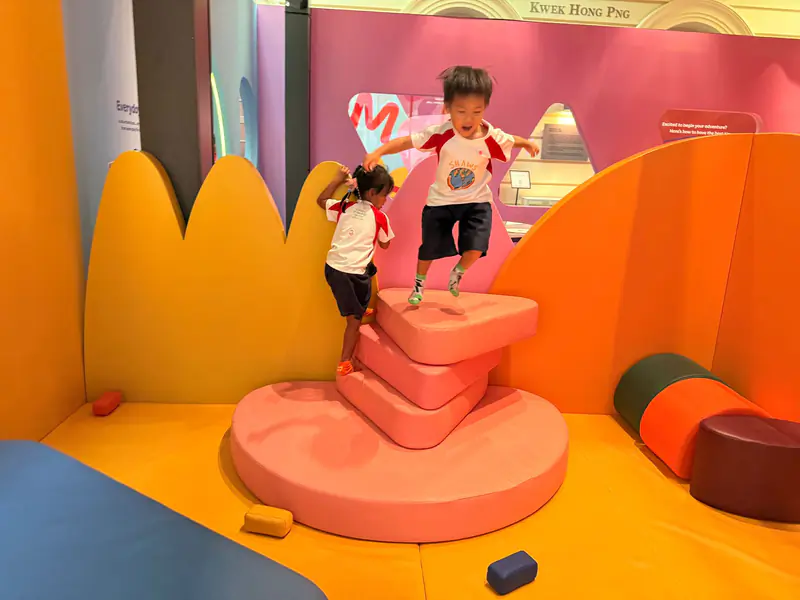
A short indoor movement plan helps: a cushion obstacle course, balloon volleyball, animal walks down the corridor, dancing, a den under the dining table. Screens will creep in regardless, so decide your limit before the day starts rather than negotiating it at three o'clock.
What we do at school
On hazy days our teachers keep an eye on the readings through the morning and adjust as they go. Outdoor sport and play become shorter and gentler as the numbers rise, and move indoors when they need to. The active part of the day carries on inside, because children still need to move, and we keep a closer watch on children we know have sensitive chests.
When to seek advice
See your doctor if your child is wheezing, has a cough that does not settle, complains of chest pain, or seems unusually tired or unwell. Children with asthma should have their action plan and reliever medication ready before the season, and needing the reliever more often than usual is worth a call to the doctor. Seek urgent help if breathing is fast and laboured, or if their lips look pale or bluish.
Most children cope with a hazy spell perfectly well. A little planning just means the weeks pass with fewer coughs and fewer climbing-the-walls afternoons.
Shaws Preschool has kept children healthy and moving, indoors and out, across the East Coast and Serangoon since 1989. Come and see our rooms and play spaces: book a tour.